
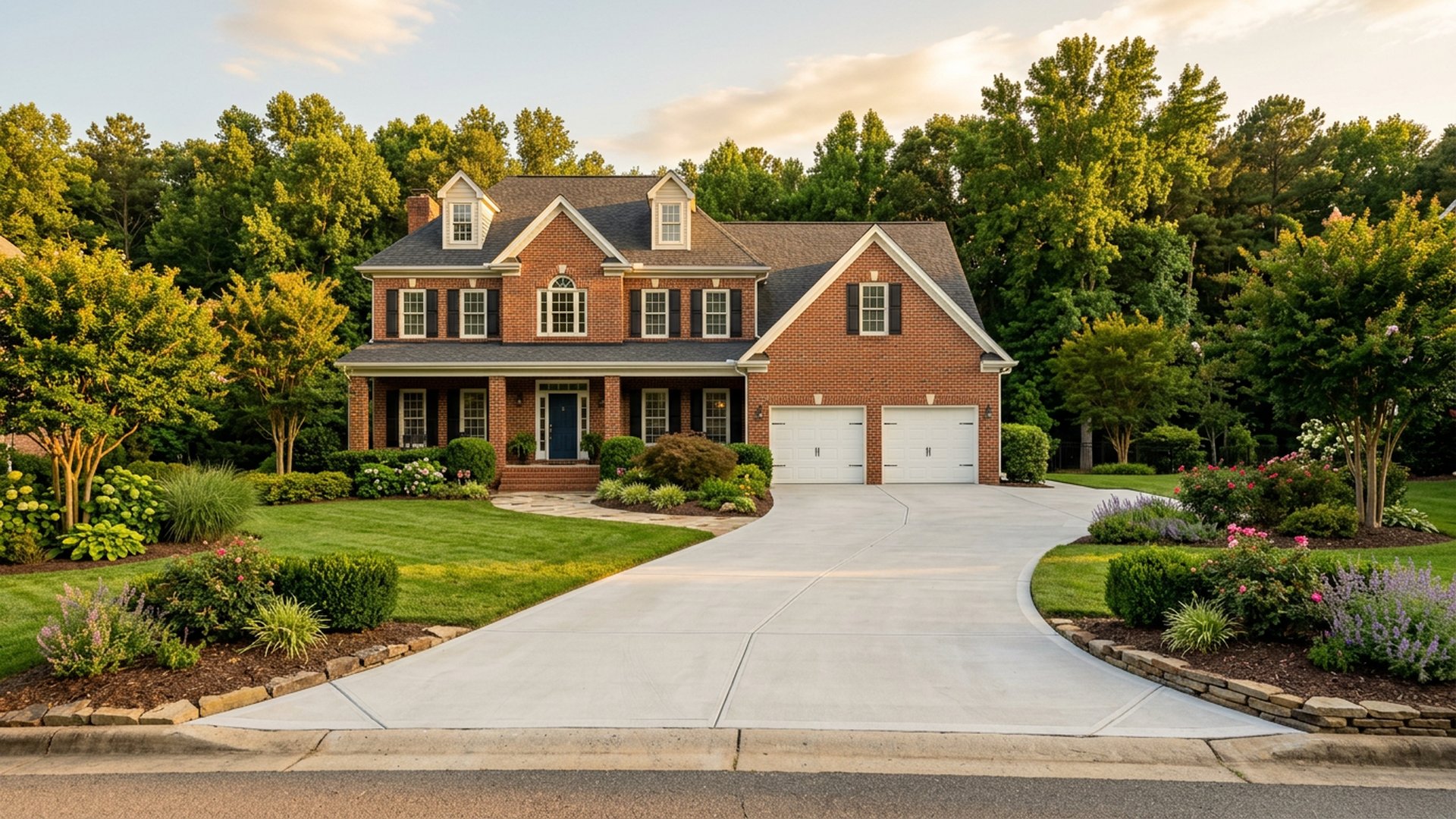
HOA approval and a permit are two different things
This trips up more Huntersville projects than any technical issue does.
An HOA approval is private. It comes from your association under the covenants you agreed to when you bought, and it is enforced as a contractual matter between you and the board.
A permit is public. It comes from a government authority — NCDOT for access to a state-maintained road, Mecklenburg County through LUESA for county-level requirements — and it is enforced as a regulatory matter.
Neither substitutes for the other. An approved architectural submittal does not mean a permit is not required, and a permit in hand does not mean the board has signed off on the color. Our permit guide covers the public side; this post is about the private one.
A note on how we have written this. Huntersville has a great many covenanted communities — Birkdale, Skybrook and Vermillion among the better-known — and we are not going to tell you what any specific association requires, because covenants differ and we have not read yours. What follows is the common shape of a residential architectural submittal. Your own covenants are the authority.
What an HOA architectural submittal usually contains
Assembling these before you apply is most of the reason some approvals take two weeks and others take three months.
| Item | Why the board wants it |
|---|---|
| Written scope | What is being built, replaced or extended, in plain terms |
| Site sketch with dimensions | Where the concrete sits relative to the house, the lot lines and any easement |
| Finish and color | Usually the most scrutinized item on decorative work |
| Contractor insurance | Common where work involves shared or common areas |
| Drainage note | Where added hard surface changes where water goes, which affects neighbors |
| Start and finish dates | So the board can consider timing and disruption |
Color and pattern: where HOA boards push back
Plain replacements are usually straightforward. Decorative work is where a submittal earns its keep.
A like-for-like driveway replacement in a broom finish is rarely controversial: it is the same thing that was there, in the same place, in the material the community already has. It is still worth submitting, but it is not usually where friction lives.
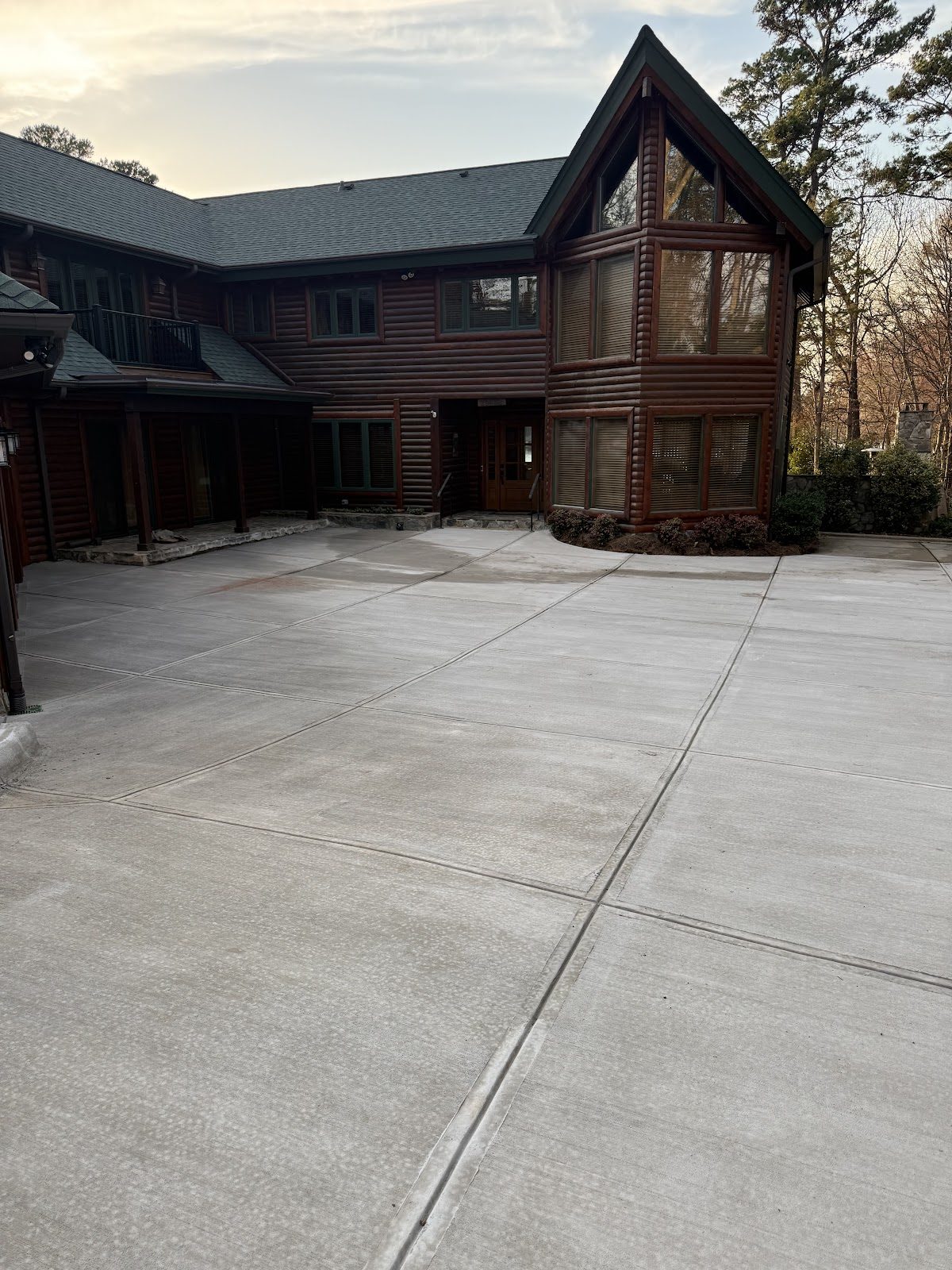
Stamped and colored work is different, because it changes how the property reads from the street. Associations with a defined palette or an established look often have something to say about pattern, color and where decorative surfaces may be used at all. If that is your project, put the finish decision at the front of the submittal rather than the back, and expect it to be the part that is discussed.
Practical suggestion: ask for the specific color and pattern to be named in the approval rather than approved as a category. It protects both sides, and it is easier to get agreed before the work than argued afterwards.
How HOA review affects your concrete schedule
Concrete scheduling is weather-dependent and review calendars are not, so the two have to be sequenced deliberately.
The item that moves your date is usually how often the review committee meets rather than how long the review takes. A submittal that just missed a meeting can sit for weeks having done nothing wrong. So the sequence that works is: find out the meeting cadence, assemble the submittal against it, and only then talk about pour dates.
We hold dates for approval rather than pouring ahead of it. A driveway that has to come out because a board did not approve the color is the most avoidable expensive outcome in this whole trade, and it is entirely a paperwork problem.
If you are replacing rather than building new, our driveway replacement page covers what the work itself involves, and the Huntersville page covers what we do locally.
HOA approval questions.
The ones worth settling before you submit.